
Sustainability initiatives
Regenerative woodland project

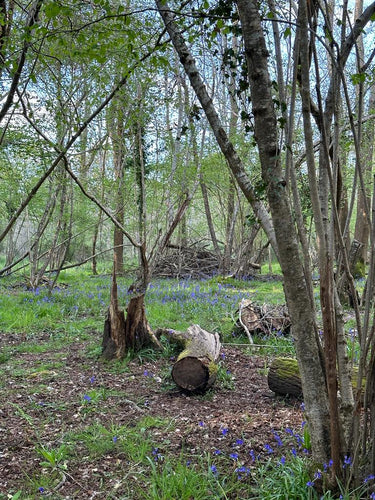
Welcome to Parsons Meadow
Sustainability is at the foundation of how we work. Our recent woodland restoration project is a living example of that commitment.
We purchased a 4-acre plot of forgotten woodland, Parsons Meadow, that had been used as a dumping ground and unmanaged for decades.
The woodland was struggling. Scrap metal, discarded materials, and years of unmanaged growth had overwhelmed the natural ecosystem. Dead trees blocked the canopy. Dense brush shut out sunlight. Habitats that once supported wildlife had begun to disappear.
The land wasn’t beyond saving — it simply needed someone to take responsibility for it.

Restoration with Purpose
We're committed to bringing the woodland back to health, piece by piece.
- Every fragment of scrap metal and rubbish was removed and recycled responsibly.
- Dead and hazardous trees were cleared to make the area safe and open.
- The canopy was selectively thinned, allowing sunlight to reach the forest floor for the first time in years.
- Space was created for younger trees, wildflowers, and returning wildlife.
- Ditches were made to help heavily water logged areas drain properly to give the woodland floor space to breath.


Bringing back the bees
As part of our woodland restoration project, we set out to support natural pollinators—vital contributors to healthy forests and flourishing plant life. Reintroducing honeybees became a meaningful step toward rebuilding diversity, encouraging new growth, and strengthening the overall resilience of the landscape.
This year, our team successfully caught two wild swarms and carefully guided them into their new homes within our woodland. Once settled, each colony quickly adapted to its hive, exploring the restored environment and taking part in the natural pollination cycle that keeps the ecosystem vibrant.
Watching the hives take root has been a rewarding milestone, marking real progress in our long-term effort to restore life and balance to the land.

Honey, honey, honey
As the bees thrived, they produced something truly special—our first batches of natural, unprocessed honey. Made entirely by the colonies that now call our woodland home, this honey is a pure reflection of the environment we’ve worked hard to restore. It’s untouched, additive-free, and collected with the utmost respect for the bees and their wellbeing.
Our commitment to environmentally responsible practices extends from every bottle of repellent we create to every step we take in caring for the land. The introduction of our hives is just one chapter in a much larger story—one where sustainable choices help rebuild habitats, protect pollinators, and preserve the natural beauty around us.

Pollinating the woodland
Our bees do more than make incredible honey—they help pollinate and revive our woodland, bringing new life and balance back to the land.
From their thriving hives comes our 100% pure, natural honey, harvested responsibly and left completely unprocessed. Each 1kg jar captures the flavour of the restored woodland they help to heal.
Simple. Natural. And straight from the heart of our project.